Papaya Health Hub
Select your topic interest:

Tight pelvic floor vs vaginismus: What's the difference?
Many women face issues related to a tight pelvic floor or vaginismus, yet these terms and conditions are often misunderstood or used interchangeably.

Why Menopause Causes Brain Fog & What Helps
Menopause brain fog is real, and usually temporary. Learn why it happens, what it feels like, whether HRT helps, and practical ways to find relief.
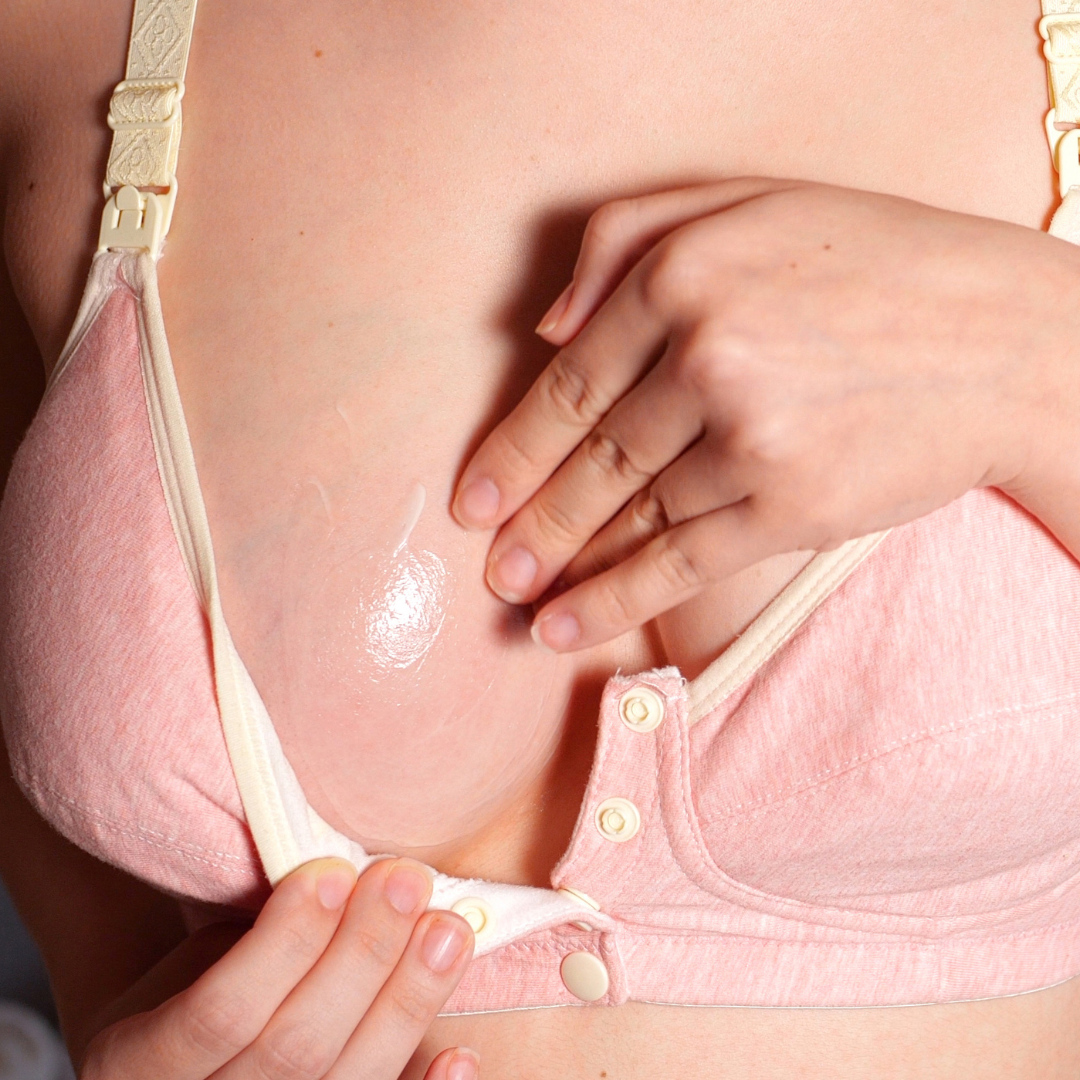
Mastitis and blocked ducts - an Overview
Breast pain during feeding can feel alarming. It often comes on quickly and can make you question whether you should keep going. It can also leave you feeling unwell and overwhelmed.
Most cases are manageable with early, appropriate care. Here is what we want you to understand.
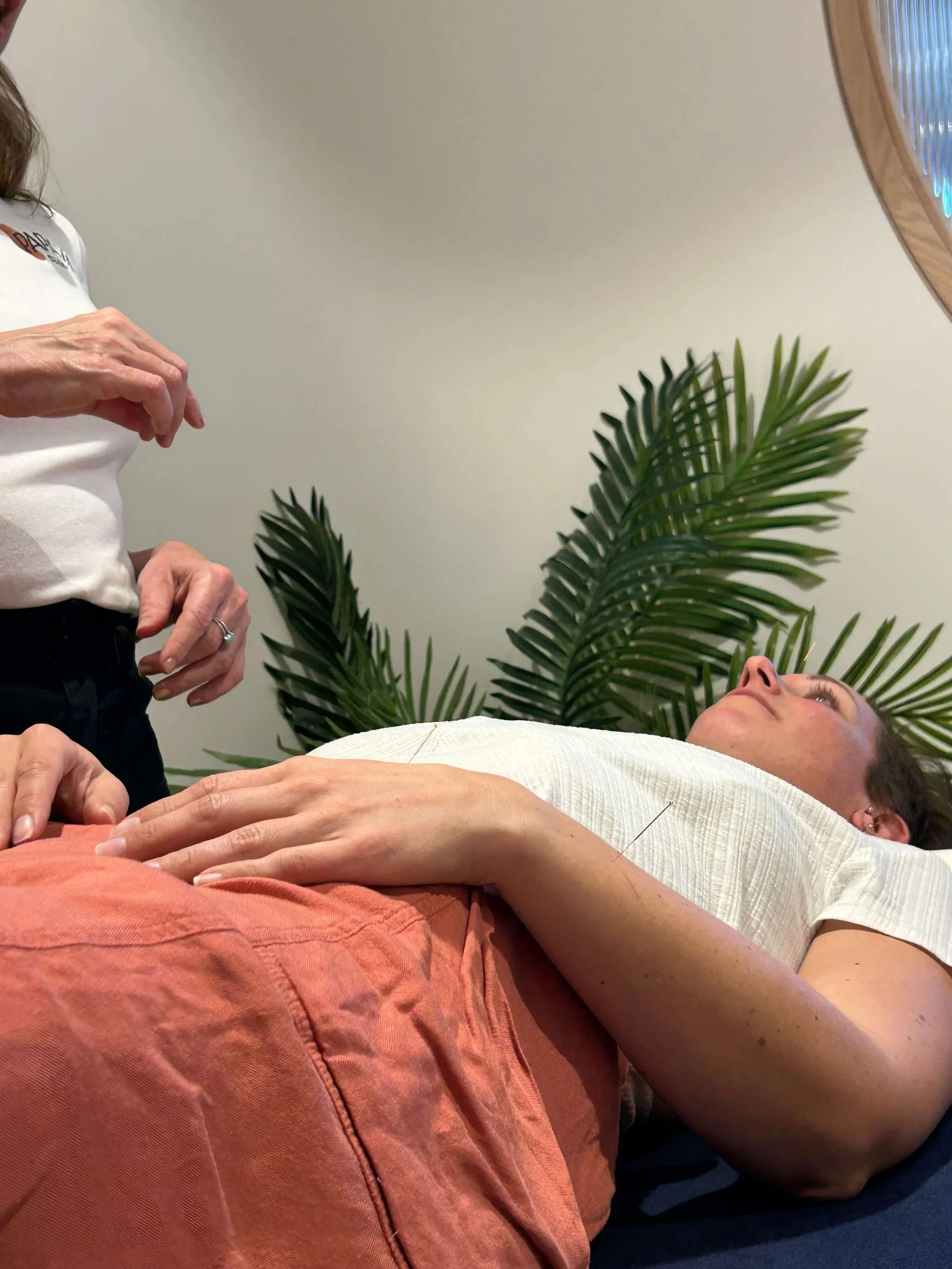
Acupuncture for fertility
For many couples, the pregnancy journey begins long before conception. Just like pregnancies, every fertility story is unique - and sometimes the path can take longer than expected.

Menopause and Anxiety: Why It Happens and How to Manage It
Menopause and anxiety often go hand in hand. Learn why it happens, what it feels like, and holistic ways to manage anxiety during menopause.

Remedial Massage During Pregnancy: A Guide
Wondering if massage is safe during pregnancy? Our guide covers benefits, precautions and what to expect at every trimester. Book at Papaya Clinic
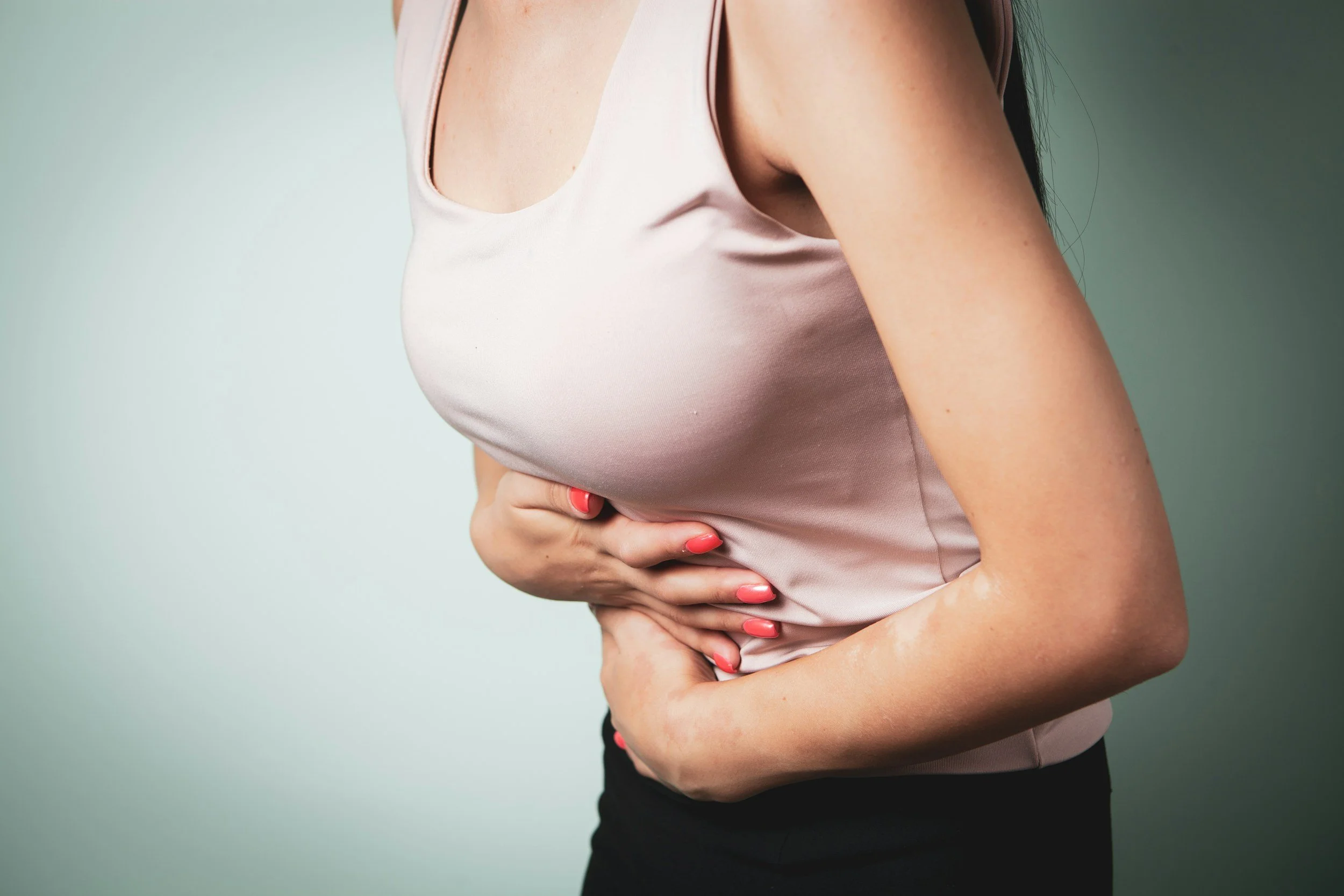
What if painful periods aren’t just “part of being a woman”?
Painful periods are common, but that doesn't mean normal. Learn what the research says about acupuncture for period pain at our Newtown clinic

Acupuncture at Papaya: What to Expect?
Curious how acupuncture treatment actually works? See the 3-phase care model we use at our Newtown clinic - from diagnosis to lasting results.
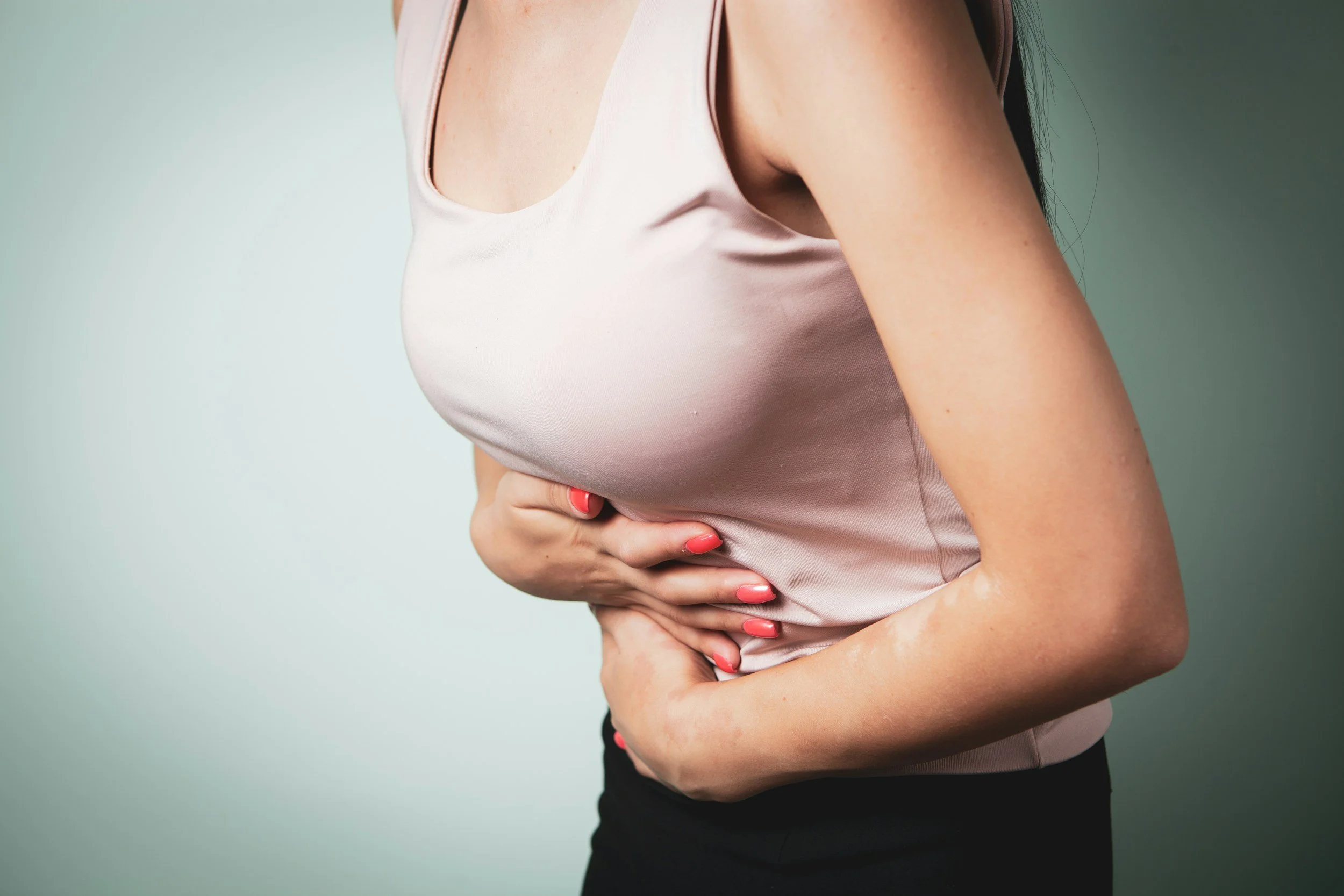
Living With IBS? Here's How Chinese Medicine Can Help
IBS affects up to 2 in 10 Australians. See how acupuncture, herbal medicine and moxibustion can help - with the research explained, by Papaya Clinic.